6 Antioxidant Rich Drinks to Incorporate in your day
Intro
Antioxidants is a word that many of us are familiar with. We know antioxidants are good for us however, how much do we actually know about the vital role that antioxidants play in our overall health?
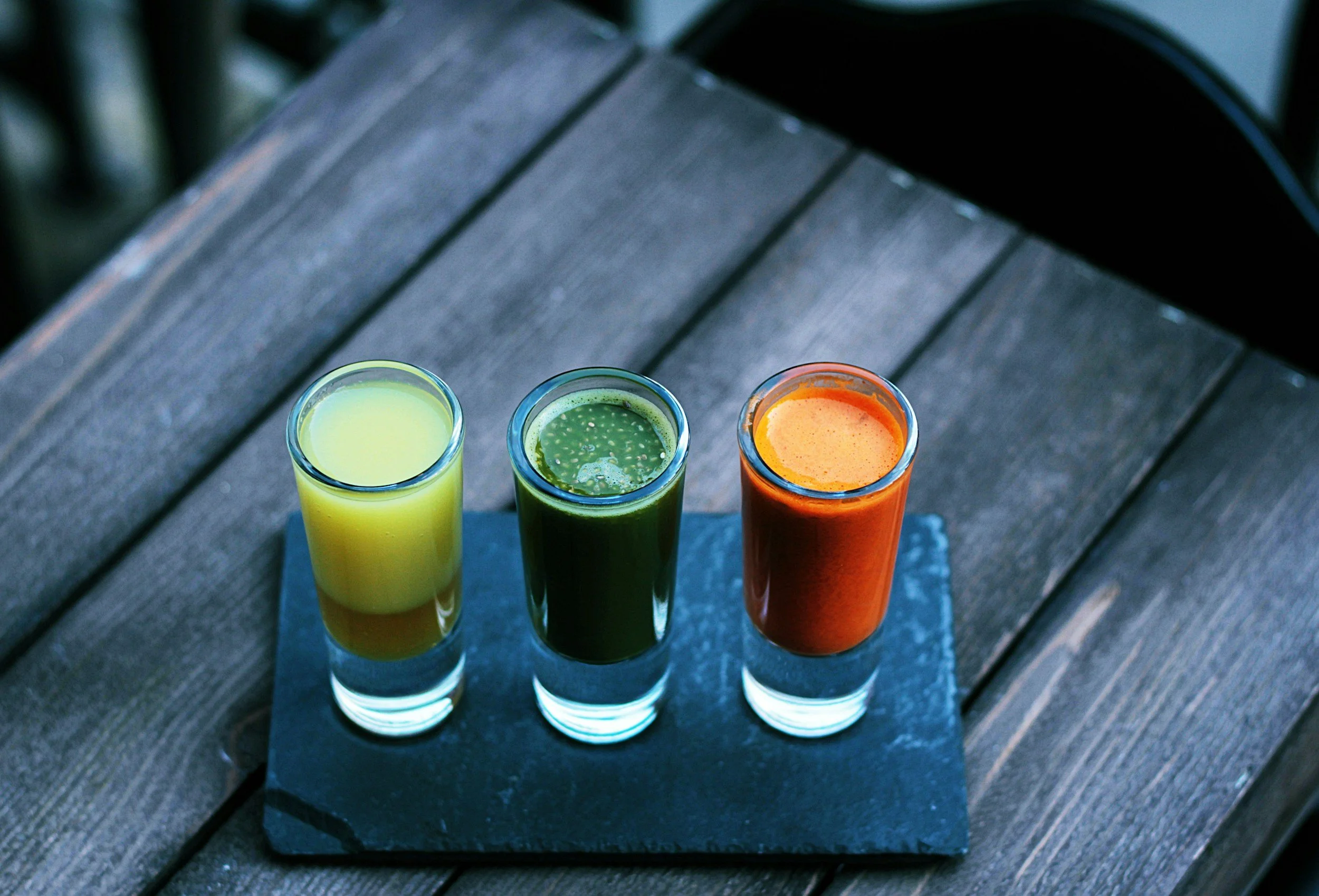
Let’s take a deeper dive. . .Antioxidants keep free radicals in check. Free radicals can cause oxidative stress which can lead to sickness and disease. Antioxidant rich foods include fruits, vegetables, whole grains and nuts. You can also get a good antioxidant boost through antioxidant rich juices. Which ones? Here are 7 antioxidant rich juices that you can incorporate into your routine to help give you an antioxidant boost and support your overall health.
1. Pomegranate Juice
Pomegranate juice is filled with polyphenols, which are plant compounds with strong free-radical fighting properties. Here are some othercompounds that pomegranate juice is filled with that give your wellness the boost it deserves.
Punicalagins and Punicic Acid
Punicalagins are unique to pomegranates and are extremely powerful antioxidants. They are mainly found in the juice and peel, and they give pomegranate its antioxidant strength.
Punicic acid, a type of conjugated fatty acid in the seeds, also contributes antioxidant and anti-inflammatory effects.
Polyphenols (Flavonoids & Tannins)
Pomegranate juice is especially high in flavonoids, anthocyanins, and tannins, all of which help neutralize free radicals and reduce oxidative stress.
2. Beet Juice
Beet juice contains several powerful compounds that help neutralize free radicals and reduce oxidative stress in the body. Some of the immune boosting compounds that beet juice contains include the following:
Betalains (Unique Pigments)
The deep red-purple color of beets comes from betalains (betacyanins and betaxanthins). Betalains are strong antioxidants and also have anti-inflammatory and detox-supportive properties.
Vitamin C
Beet juice is a natural source of vitamin C, which protects cells from oxidative damage and supports immune function.
Manganese and Other Micronutrients
Beets provide manganese, copper, and iron — minerals that act as cofactors for antioxidant enzymes in the body.
Phenolic Compounds
Beets contain phenolic acids and flavonoids, which contribute to their antioxidant capacity.
Nitrates (Indirect Antioxidant Support)
While nitrates themselves aren’t antioxidants, they improve blood flow and oxygen delivery. By reducing oxidative stress in blood vessels, they support cardiovascular health.
3. Grape Juice
Grape juice is considered antioxidant-rich because it contains a wide variety of polyphenols and vitamins that protect cells from oxidative stress. Here’s why:
Resveratrol
Found mainly in the skins of dark grapes, resveratrol is a powerful antioxidant linked to heart protection, healthy aging, and reduced inflammation.
Anthocyanins (Color Pigments)
These give red and purple grapes their deep color. Anthocyanins are potent antioxidants that help protect blood vessels, improve circulation, and combat free radical damage.
Flavonoids (Quercetin, Catechins, etc.)
Grapes are loaded with flavonoids, which support cardiovascular health, reduce inflammation, and enhance antioxidant defenses.
Vitamin C
Grape juice provides vitamin C, a classic antioxidant that strengthens the immune system and supports collagen production while reducing oxidative stress.
Tannins & Phenolic Acids
These compounds further boost the antioxidant potential of grape juice, helping to protect LDL cholesterol from oxidation (a key factor in heart disease).
4. Cranberry Juice
Cranberry juice is considered an antioxidant because it’s naturally rich in compounds that help neutralize free radicals, the unstable molecules that can damage cells and contribute to aging, inflammation, and chronic disease.
Here’s why cranberry juice has strong antioxidant properties:
Polyphenols — Cranberries contain flavonoids and phenolic acids, especially proanthocyanidins (PACs). These are powerful plant compounds that help reduce oxidative stress in the body.
Vitamin C — Cranberries are naturally high in vitamin C, which is a well-known antioxidant that supports the immune system, skin health, and cellular protection.
Anthocyanins — These are pigments that give cranberries their deep red color. Anthocyanins are potent antioxidants that help protect against inflammation and oxidative damage.
Quercetin — A plant flavonoid in cranberries that has strong antioxidant and anti-inflammatory effects.
Protects Against Oxidative Stress–Related Conditions — The antioxidants in cranberry juice may help support heart health, urinary tract health, and reduce the risk of certain chronic conditions linked to free radical damage.
5. Turmeric Milk
Turmeric milk (often called “golden milk”) provides antioxidants because of the powerful compounds in turmeric and the synergy between turmeric and milk (or plant-based milk). Here’s why:
Curcumin — the star antioxidant. Turmeric contains curcumin, a polyphenol that has strong antioxidant and anti-inflammatory properties. Curcumin neutralizes free radicals directly and also boosts the body’s own antioxidant enzymes, enhancing cellular protection.
Other phytonutrients in turmeric:
Besides curcumin, turmeric contains other antioxidant compounds like demethoxycurcumin and bisdemethoxycurcumin, which also contribute to reducing oxidative stress.
6. Blueberry Juice
Blueberry juice is considered antioxidant-rich because blueberries are one of the highest antioxidant fruits. Their deep blue-purple color comes from powerful compounds that fight oxidative stress and support long-term health. Here’s why:
Anthocyanins (the blue pigment)
The main antioxidants in blueberries are anthocyanins, which give the berries their rich color.
They help neutralize free radicals, reduce inflammation, and support heart and brain health.
Vitamin C
Blueberries provide vitamin C, a potent water-soluble antioxidant.
Protects skin, boosts immunity, and aids in collagen formation.
Flavonoids & Polyphenols
Beyond anthocyanins, blueberries are packed with other flavonoids like quercetin and myricetin, which enhance antioxidant effects and protect blood vessels.
Manganese
An essential trace mineral found in blueberries that helps activate antioxidant enzymes in the body, supporting overall defense against oxidative stress.
Neuroprotective Effects
Studies show blueberry antioxidants can cross the blood-brain barrier, helping protect neurons, improve memory, and support cognitive function with age.
Conclusion
Antioxidants are a fantastic way to support your overall wellness through their ability to protect the body against oxidative stress. They protect the cells from damage, support immune function, brain health and reduce inflammation. Antioxidant rich juices can be a fun way to boost your health and give your body a wellness jumpstart.